
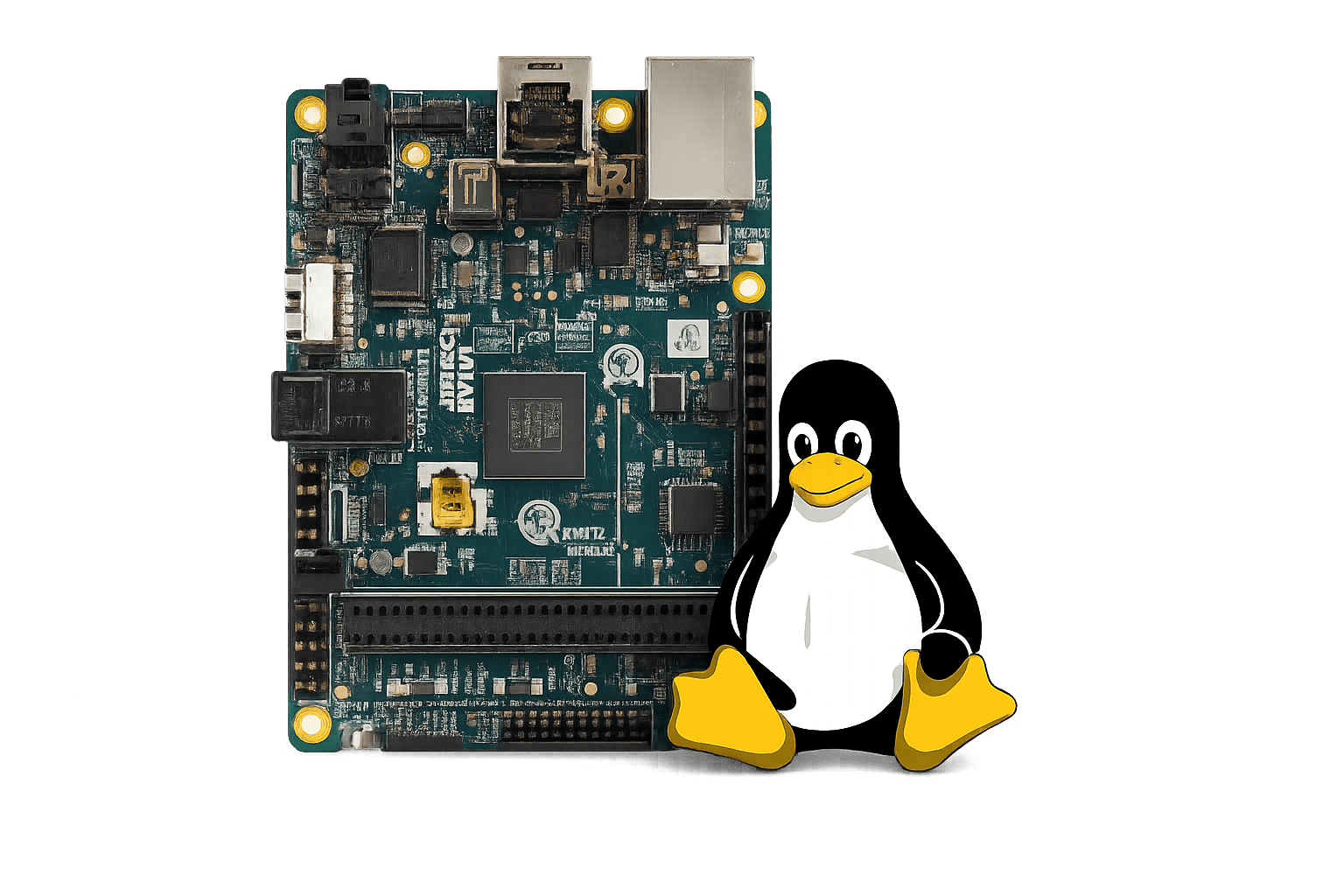
How Timmins Approaches This Domain

Competency-driven
Focus on real skills, not just a syllabus.

Role-Aligned
Aligned to real embedded engineering roles

Kernel, Drivers, Debugging
Deep dive into core technical areas
Hands-on Focused
Emphasis on practical, hands-on learning.

All Seniority Levels
Suitable for fresh graduates through senior engineers
Industries & Use Cases
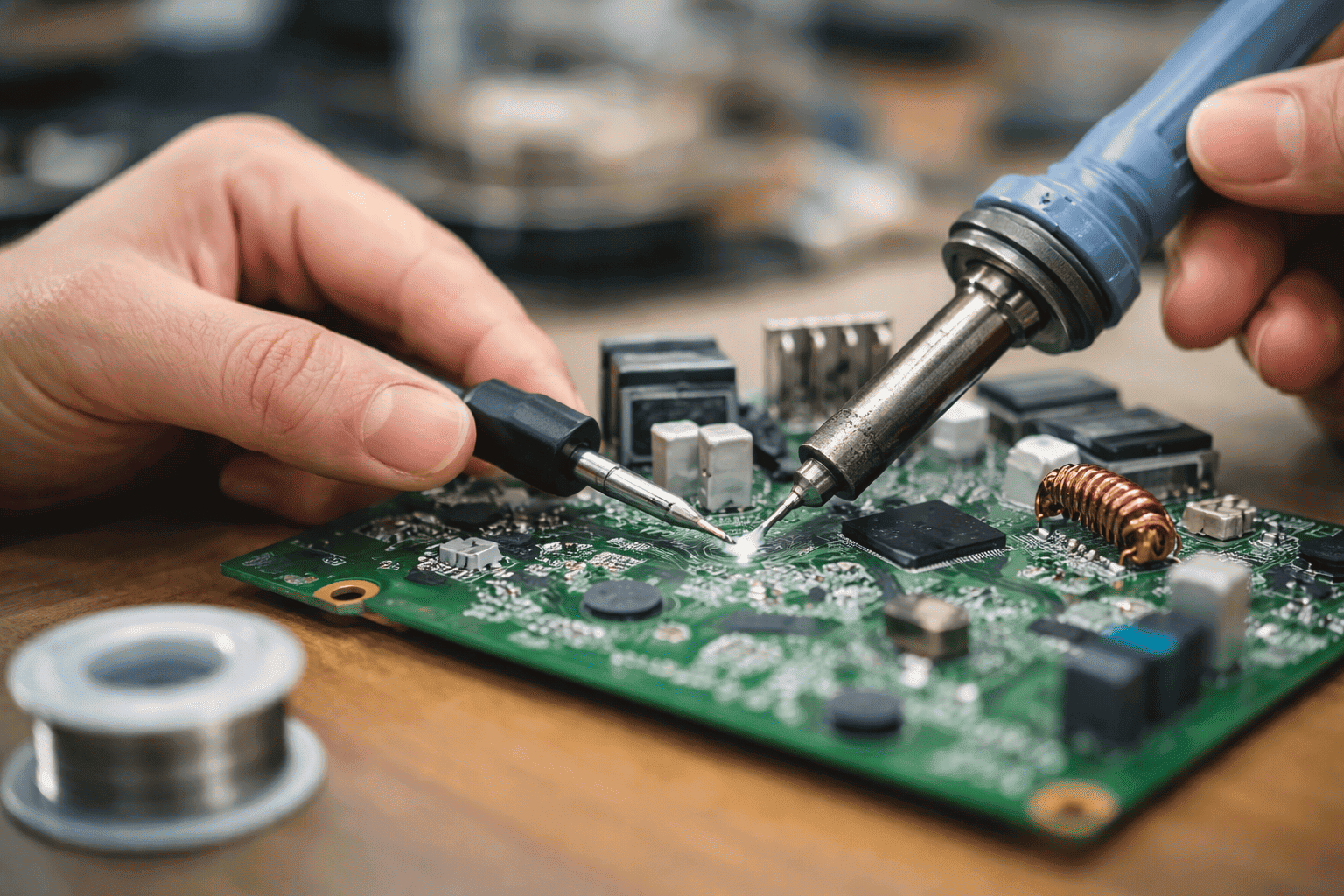
Consumer Electronics
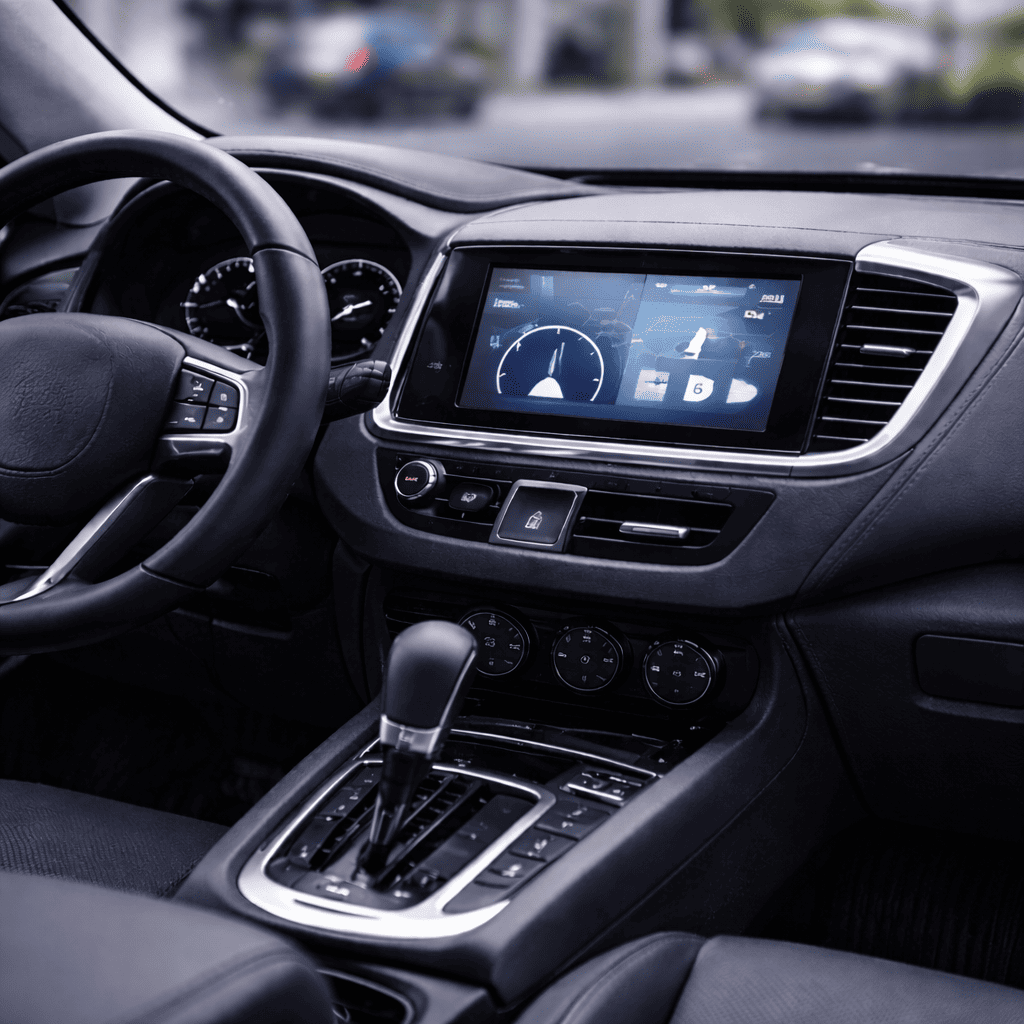
Automotive & Infotainment
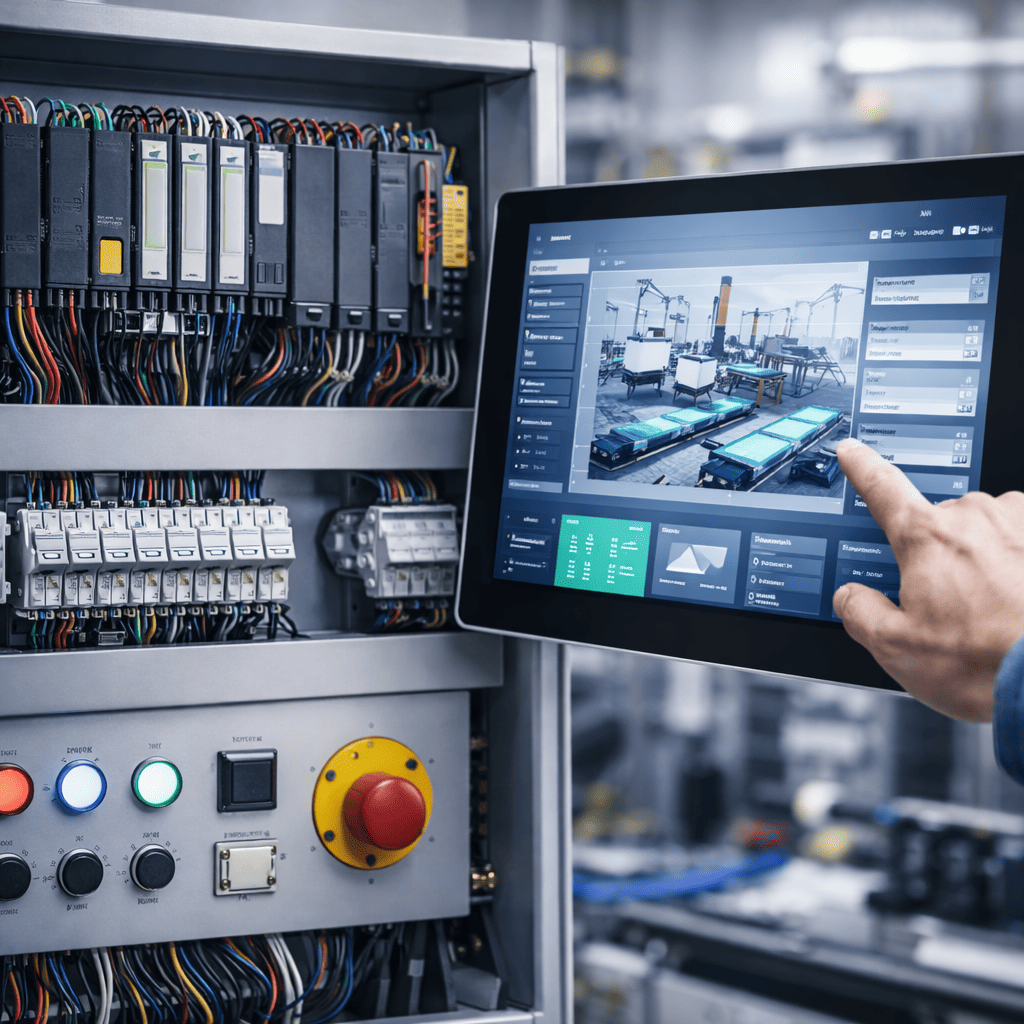
Industrial Automation

Networking & Telecom

Medical Devices
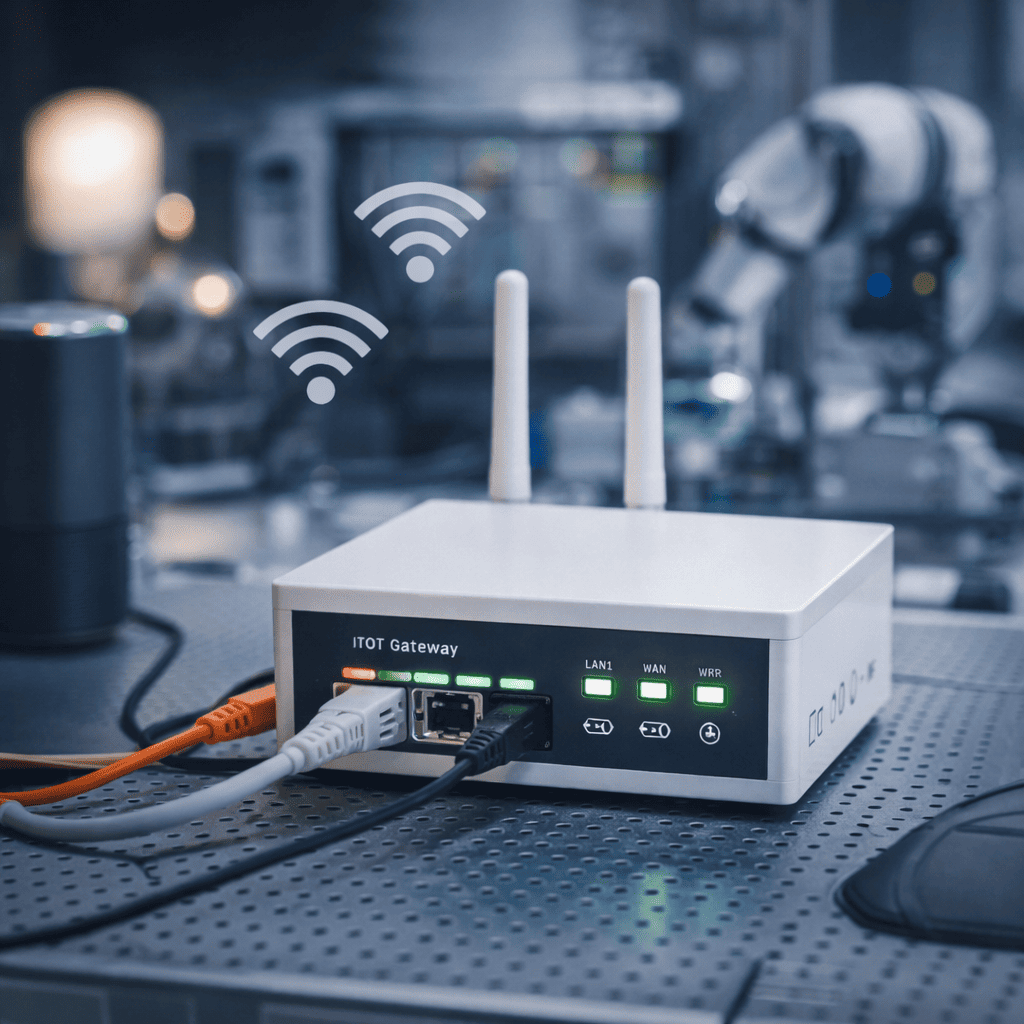
IoT & Edge Devices
These systems typically operate under resource constraints, require hardware awareness, and demand high reliability.
Who This Domain Is For
Engineers building embedded Linux-based systems

Engineering managers planning embedded skill development
Organizations developing or maintaining embedded products
Job Families We Support
Outcomes & Value Delivered
Hands-on practice using embedded hardware
Strong foundational and advanced embedded Linux skills
Faster onboarding of embedded engineers
Improved system stability and debuggability
Reduced dependency on ad-hoc troubleshooting
Clear progression from application-level to kernel-level expertise
Core Competencies
Linux operating system architecture, User space and kernel space concepts, Processes, threads, scheduling, and memory, Filesystems and IPC fundamentals
Competency → Job Family Alignment
Learning Paths & Career Progression
Linux fundamentals, Embedded C, user-space programming
Learning paths can be aligned to individual career growth or team onboarding programs.
Training Formats & Engagement Models
Public instructor-led programs
Courses as Building Blocks
Embedded Systems Development: C, C++, Linux, and Device Driver Programming
Embedded Linux Security
Operating System Essentials
Linux Driver Development
Embedded C Programming and GDB Debugging
Embedded Linux Kernel Programming
Embedded Linux Porting Hacks
Embedded Linux System Internals
Linux Audio Drivers
Linux Inter-Integrated Circuit (I2C) Drivers
Linux Kernel Debugging
Linux SPI & UART Drivers
Linux System Programming
Linux User Space Internals
SELinux